Exploring the Depths of Abstract Art and Spiritual Meaning

Spiritual abstract art offers a unique window into the unseen world. It blends the intangible with visual expression. This art form invites viewers to explore inner landscapes and sacred traditions. It moves beyond literal representation to evoke feelings, thoughts, and spiritual insights. Through color, form, and texture, it connects the physical with the metaphysical.
Understanding Abstract Art and Spiritual Meaning
Abstract art removes the constraints of realistic depiction. It uses shapes, colors, and lines to communicate ideas and emotions. When infused with spiritual meaning, abstract art becomes a tool for meditation and reflection. It can symbolize universal truths, divine energy, or personal transformation.
Artists working in this genre often draw from sacred geometry, symbolism, and ancient wisdom. Their work encourages viewers to look inward and experience a sense of connection. This connection may be to a higher power, the universe, or the self.
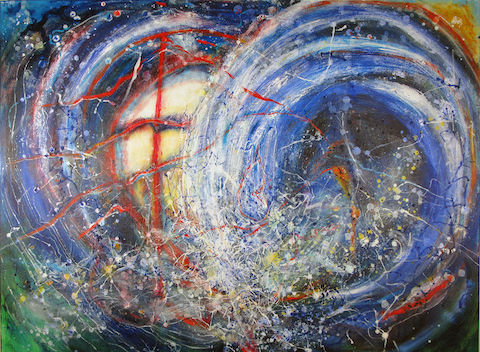
For example, a painting might use circular forms to represent wholeness or infinity. Colors like deep blue or gold can evoke calmness or enlightenment. The absence of clear figures allows the mind to wander freely, opening space for spiritual interpretation.
The Origins and Evolution of Spiritual Abstract Art
Spiritual abstract art has roots in early 20th-century movements. Artists like Wassily Kandinsky and Hilma af Klint pioneered this approach. They believed art could express spiritual realities beyond the visible world.
Kandinsky, for instance, saw colors and shapes as having inherent spiritual vibrations. His work aimed to awaken the soul through visual harmony. Hilma af Klint created large-scale abstract works inspired by her spiritual experiences and communication with higher beings.
Over time, spiritual abstract art has evolved to include diverse cultural influences. Contemporary artists incorporate elements from Eastern philosophies, indigenous traditions, and modern spirituality. This evolution reflects a growing global interest in inner exploration and sacred art.
The Role of Symbolism in Spiritual Abstract Art
Symbolism plays a crucial role in conveying spiritual messages. Abstract artists use symbols to represent concepts like unity, balance, and transformation. These symbols often have deep cultural or religious significance.
Common motifs include:
Circles and spirals, symbolizing cycles and eternity
Triangles, representing harmony and the trinity
Light and shadow contrasts, illustrating duality and enlightenment
Understanding these symbols enhances the viewer’s experience. It allows for a richer interpretation and a more profound connection to the artwork’s spiritual essence.
For instance, a painting featuring overlapping circles might suggest interconnectedness. A composition dominated by upward-pointing triangles could evoke aspiration or spiritual ascent.
Techniques and Materials in Spiritual Abstract Art
Artists use various techniques to create spiritual abstract art. These methods help convey texture, depth, and energy. Common techniques include layering, dripping, and blending colors.
Materials also contribute to the spiritual quality. Some artists incorporate natural elements like sand, gold leaf, or organic pigments. These materials add tactile and symbolic dimensions to the work.
For example, layering translucent paint can create a sense of depth and mystery. Dripping paint might symbolize the flow of energy or consciousness. Using gold leaf can reference sacredness and divine light.
Artists often work intuitively, allowing the creative process to guide the outcome. This spontaneity reflects the unpredictable nature of spiritual experience.

How to Engage with Spiritual Abstract Art
Engaging with spiritual abstract art requires openness and mindfulness. Unlike representational art, it does not offer a clear narrative. Instead, it invites personal interpretation and emotional response.
Here are practical ways to connect with this art form:
Observe quietly - Spend time looking at the artwork without rushing. Notice colors, shapes, and textures.
Reflect on feelings - Pay attention to emotions or thoughts that arise.
Consider symbolism - Think about what the shapes and colors might represent spiritually.
Use meditation - View the art as a focal point for meditation or contemplation.
Journal your experience - Write down insights or questions that come up during your viewing.
This approach deepens the connection and allows the artwork to serve as a spiritual tool.
The Impact of Spiritual Abstract Art on Personal Growth
Spiritual abstract art can inspire personal growth and healing. It encourages viewers to explore their inner world and confront hidden emotions. The abstract nature allows for multiple interpretations, making it accessible to diverse spiritual paths.
Many find that engaging with this art promotes:
Increased self-awareness
Emotional release
A sense of peace and balance
Connection to something greater than themselves
Artists like Janice Lincoln, through her project Holding the Spirit, share their vision to foster this connection. Her paintings and teachings invite a global audience to experience sacred traditions and inner wisdom through abstract art.
Bringing Spiritual Abstract Art into Your Space
Incorporating spiritual abstract art into living or workspaces can enhance the environment. It creates a calm, reflective atmosphere that supports mindfulness and creativity.
Consider these tips when selecting and displaying spiritual abstract art:
Choose pieces that resonate personally or evoke desired feelings.
Place art where it can be viewed regularly, such as near meditation areas or desks.
Use lighting to highlight textures and colors, enhancing the spiritual effect.
Rotate artworks periodically to refresh the energy in the space.
This intentional placement helps maintain a connection to the artwork’s spiritual message.
Spiritual abstract art offers a profound way to explore inner landscapes and universal truths. It transcends traditional boundaries, inviting viewers to engage deeply with color, form, and symbolism. By understanding its origins, techniques, and meanings, one can appreciate its power to inspire and transform. This art form continues to evolve, bridging ancient wisdom and contemporary expression for a global audience.


Comments